
Spotting Common Tree Diseases in British Gardens
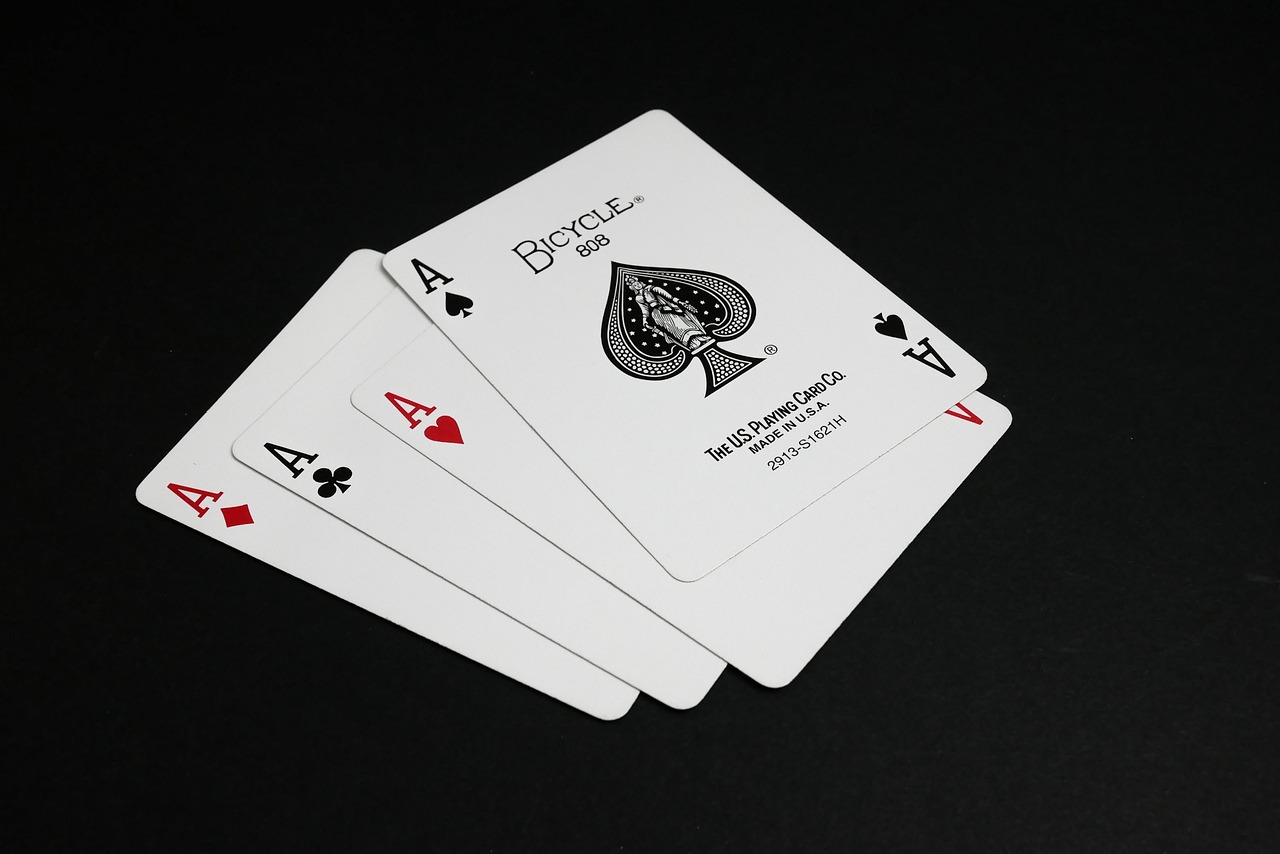
Ask ten casino players what their favorite slot's RTP is and you'll get nine blank stares and one guy who insists it's "like 99% or something." That one guy is wrong. And the nine who don't know? They're playing blind, which in a game where the house edge is baked into every spin is a strange way to spend money. The math behind casino games isn't a secret. It's not hidden in a vault. It's available, it matters, and almost nobody uses it. That gap between what's knowable and what's actually known is where smart players quietly win more and lose less. This isn't about card counting or beating the system. It's about understanding what you're actually playing.
RTP Is Not a Promise, It's a Long-Term Average
Return to Player (RTP) is the single most misunderstood number in iGaming. A slot advertised at 96% doesn't mean you'll get $96 back from every $100 you cycle through. It means that over millions of spins, across every player on that machine, roughly 96% of all money wagered gets returned as winnings. The other 4% is the house edge, and it's the casino's paycheck.
Here's the part that trips people up: variance runs the show in the short term. A 96% RTP slot can absolutely swallow your entire bankroll in twenty minutes. It can also hand you 500x your stake on spin three. The 96% figure only asserts itself over a volume of play no individual human will ever personally reach. Two players on the same machine, same stake, same session length, can have wildly different outcomes. That's not rigging. That's variance doing exactly what variance does.
What should you actually do with this? Compare RTPs across games and treat the difference as real. A slot at 94% versus one at 96.5% is a 2.5% swing in expected loss per dollar wagered. Play $2,000 through a high-volatility slot and that difference is $50 in expected value. It doesn't guarantee anything in one session, but it tilts the field. And since you can't control luck, tilting the field is all you've got.
Slot Volatility: The Setting Nobody Talks About
RTP tells you the average. Volatility tells you the ride. These are two completely separate settings and most players only know about one of them, if that.
- Low volatility: Frequent small wins. Your balance drifts slowly. Good for long sessions and low budgets.
- Medium volatility: Balanced. Some dry spells, some decent hits. The default for most modern releases.
- High volatility: Long dead sessions punctuated by rare massive payouts. Think 10,000x max wins and hours of nothing before it.
The mistake is thinking high volatility equals better. It doesn't. It equals a higher chance of busting out before you hit anything meaningful. If you're playing with a $50 bankroll, a high-volatility slot can wipe you before the bonus ever triggers. If you're playing with $500 and you've got time, high volatility gives you a shot at a payout low-volatility games will never produce. The right choice depends entirely on your bankroll and your patience, not the game's reputation.
Poker Is the One Game Where Skill Actually Matters
Here's the truth the casino floor doesn't want to advertise: every game is a closed system except poker. Slots, roulette, baccarat, blackjack against a continuous shuffler, all of them are negative expected value by design. Your only real choice is how much variance you want to experience along the way.
Poker is different because you're not playing the house. You're playing other humans, and the rake is just a toll you pay to sit down. That means it's possible to be a genuinely winning player, and thousands of people are. But it requires work the casino doesn't require. Position awareness. Range construction. Bankroll management. Understanding that folding a decent hand is often the profitable play. Anyone weighing up options should see king88.
If you're considering poker as a serious endeavor rather than a night out with friends, be honest about which camp you're in. If it's recreation, play for fun and set a budget you're content losing. If it's something you want to profit from, treat it like a skill, not a hobby. The gap between a casual player and a competent one is enormous, and it shows up in every hand.
Bankroll Management Separates Players From Gamblers
This is the part nobody wants to hear because it's boring. It's also the difference between the people who still enjoy gambling five years from now and the people who quit in bitterness after burning through rent money.
A few concrete principles that actually hold up:
- Bet 1-2% of your bankroll per hand or spin, maximum. If your slot bankroll is $200, a $1 spin is pushing it at high volatility. Use smaller stakes than feels exciting.
- Separate gambling money from living money. Not a metaphor. Different account, different card, no exceptions.
- Set stop-losses and stop-wins before you sit down. "I'll quit at $150 up or $100 down" sounds restrictive until it saves you from a 40-minute spiral.
- Track your results honestly. What you remember is not what happened. A simple spreadsheet will humiliate your memory every time.
If any of this feels like unnecessary friction, that's worth acknowledging. Nobody needs a ruleset to enjoy themselves. But if you're playing regularly, those rules are the difference between a hobby and a slow bleed.
The Technology You Should Pay Attention To
Modern RNG-driven slots aren't rigged in the way conspiracy theorists claim, but they're also not static. Game developers tune volatility curves, bonus triggers, and hit frequency with the intent of maxing out entertainment for a specific type of player. That's legitimate design, not fraud, but it does mean different studios feel different to play. Pragmatic Play games feel one way. Nolimit City games feel another. Learning a studio's signature is useful in the same way learning a dealer's tendencies is useful at a live table.
Live dealer games, meanwhile, have their own statistical reality. Live blackjack uses a real shoe, which means basic strategy genuinely reduces the house edge to around 0.5%. That's not nothing. Roulette under a single-zero European wheel carries a 2.7% house edge; the double-zero American version doubles it to 5.26%. The game you choose inside a category matters more than most players realize.
One more practical note: max bet buttons. On some slots, the "max bet" button is linked to triggering bonus features or activating higher volatility tiers. On others, it just stakes more. Read the rules screen once per new game. It takes ninety seconds and prevents expensive surprises.
The Realistic Take
Nobody is going to make you rich from a slot session or a Saturday poker tournament, and anybody promising otherwise is selling something. The realistic goal is to play the games you enjoy, understand the math underneath them, and keep the losses proportionally small enough that the entertainment was worth the price. That's not a glamorous message, but it's the one that actually holds. The players who quietly do well aren't lucky or gifted. They've read the rules, watched their own results, and made peace with the fact that the house always has an edge; they just refuse to hand it any more than necessary. Then they keep playing, which is the whole point in the first place.
LEAVE A COMMENT