
Spotting Common Tree Diseases in British Gardens
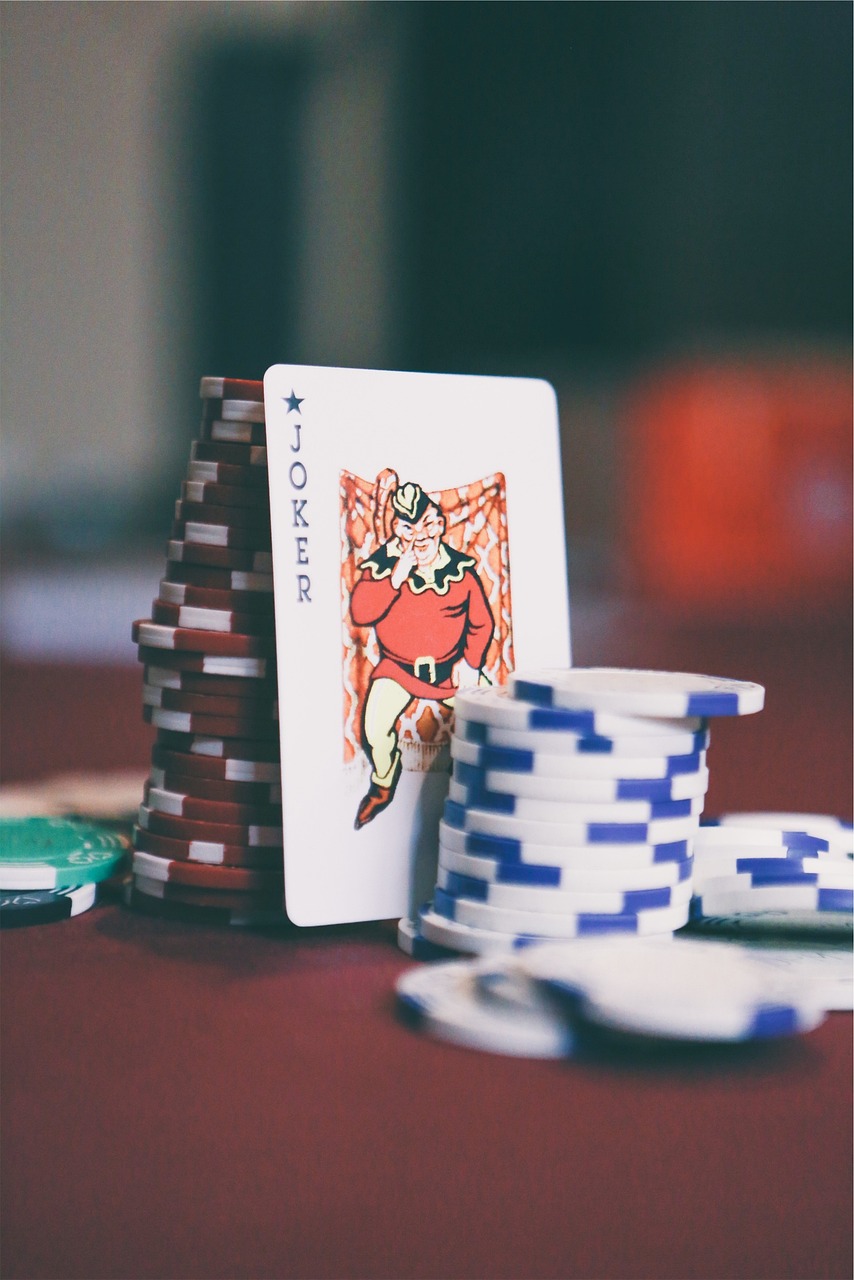
You sit down at a slot machine, hit spin, and watch the reels tumble. Three cherries line up. You win $20. But did you really beat the house? Not even close. The machine's RTP (Return to Player) might be 96%, meaning over millions of spins, it pays back $96 for every $100 wagered. That $20 win? Just a blip in a long, mathematically guaranteed downward slope. This isn't pessimism—it's the cold, beautiful logic that makes iGaming tick. And once you understand it, you stop chasing ghosts and start playing smarter.
Whether you're spinning slots, grinding poker tables, or betting on a Premier League match, the same principles apply: the house always has an edge, but skilled players can shrink it. Let's cut through the hype and look at what's really happening behind the screen.
The Gambler's Fallacy: Why Your Brain Lies to You
Let's start with the biggest trap in all of gambling: the belief that past results influence future ones. A roulette wheel lands on black six times in a row. The table buzzes. “Red is due!” someone shouts. Wrong. The wheel has no memory. Each spin is independent. The odds of red on a European wheel are always 18/37 (48.6%), no matter what just happened.
This is the gambler's fallacy, and it's the casino's best friend. Online slots work the same way. Random number generators (RNGs) don't care that you've lost 50 spins straight. The next spin's outcome is as random as the first. Casinos love this because it keeps you playing—chasing a win that's statistically no more likely than it was an hour ago.
But here's the twist: in poker, past results do matter—but not in the way you think. If a player raises every hand for an hour, that's information. You can adjust your strategy. In slots, there's no such read. The machine doesn't have a tell. So the next time you feel “due,” remind yourself: the only thing due is another random spin. tylenhacai.org.mx covers this in more detail.
Slots: The Math Behind the Flashing Lights
Slot machines are the bread and butter of any casino, online or brick-and-mortar. They're simple, fast, and brutally efficient at separating you from your bankroll. But not all slots are created equal. Here's what actually matters:
- RTP (Return to Player): The percentage of all wagered money that a slot pays back over time. A 96% RTP slot has a 4% house edge. A 92% RTP slot? 8% edge. That difference is massive. Always check the RTP before you play—it's usually in the game's info screen.
- Volatility: High volatility slots pay less often but can hit huge. Low volatility slots pay small amounts frequently. Your bankroll and patience should dictate your choice. If you have $100, a high-volatility slot might eat it in 20 spins. A low-volatility one could last hours.
- Hit frequency: The percentage of spins that result in a win. A slot with 20% hit frequency wins once every five spins. But many of those wins are less than your bet. Don't confuse “winning” with “profiting.”
Take Book of Dead, a classic high-volatility slot. Its RTP is around 96.2%, but you might go 200 spins without a bonus. Then the bonus round can pay 5000x. That's the trade-off. Compare that to Starburst, a low-volatility slot with 96.1% RTP and frequent small wins. Neither is “better”—they just suit different styles.
Pro tip: Avoid slots with progressive jackpots unless you're specifically chasing the jackpot. The base game RTP often drops to 90% or lower to fund that growing prize.
Poker: The Only Game Where Skill Shrinks the House Edge
Poker is different. You're not playing against the house; you're playing against other players. The casino just takes a rake—typically 5% of each pot, capped at $3 to $5. That rake is the house's edge, but it's fixed. Your profit comes from exploiting weaker opponents.
Here's a concrete example: In a $1/$2 No-Limit Hold'em game, a good player might win 5 big blinds per hour (that's $10). A great player might win 10 BB/hour. But after the rake, those numbers shrink. In low-stakes live games, the rake can eat 10% of your winnings. Online, it's often lower, but still significant.
So how do you beat it? By being better than the other players. That means:
- Position matters more than cards. Acting last gives you information. You can bluff more profitably from the button.
- Bankroll management is non-negotiable. Never buy into a game with more than 5% of your total poker bankroll. If you have $1,000, play $1/$2 max.
- Track your hands. Use software like PokerTracker or Hold'em Manager. You can't fix leaks you can't see.
The beauty of poker is that the house edge is fixed, so your edge can grow. In slots, you're fighting a losing battle. In poker, you're fighting other humans—and humans make mistakes.
Sports Betting: Where the Lines Are Sharpest
Sports betting is a different beast. The house edge comes from the vig (vigorish)—the commission built into the odds. A standard point spread bet is -110 on both sides. That means you bet $110 to win $100. The implied probability is 52.38% for each side, totaling 104.76%. The extra 4.76% is the house's cut.
But not all bets are created equal. Futures and parlays have higher edges. A 3-team parlay might have a 12.5% house edge. That's why bookies love parlays—they're sucker bets. Meanwhile, betting on a major market like the NFL spread often has a lower edge (around 4-5%) because the lines are efficient.
To win long-term, you need to find value. That means betting when your estimated probability of an outcome is higher than the implied probability from the odds. For example, if you think a team has a 55% chance to win, but the odds imply only 50%, that's a value bet. It's harder than it sounds, but it's the only way to beat the bookie.
One more thing: shop around. Different sportsbooks offer different lines. A half-point difference in the spread can turn a loss into a win. Use odds comparison sites—they're free and take seconds.
The Psychology of iGaming: Why We Keep Coming Back
Let's be honest: gambling is fun. The thrill of a win, the near-misses, the lights and sounds—they're designed to keep you engaged. Slot machines use variable ratio reinforcement, the same psychological principle that makes social media addictive. You never know when the next win will come, so you keep pulling the lever.
But awareness is power. If you know that a near-miss (two cherries and a lemon) is just a random outcome, not a sign that you're “close,” you can step back. If you know that the house edge guarantees the casino profits over time, you can set limits and stick to them.
Set a budget before you play. Decide how much you're willing to lose, and when it's gone, walk away. Don't chase losses. Don't play drunk or emotional. And if gambling stops being fun, take a break. The casino will still be there tomorrow.
Final Thoughts: Play the Player, Not the Game
At the end of the day, iGaming is a form of entertainment. The house always has an edge, but that doesn't mean you can't enjoy the ride. The key is to know which games give you the best shot. Slots are pure luck—pick high RTP, low volatility if you want to stretch your bankroll. Poker rewards skill—study, track, and exploit. Sports betting is about finding value—shop lines and avoid parlays.
And remember: the only guaranteed winner is the casino. So play for fun, not for rent money. If you're smart, you can shrink the edge and maybe, just maybe, come out ahead. But never forget the math. It's always watching.
LEAVE A COMMENT