
Spotting Common Tree Diseases in British Gardens
You hit spin for the twentieth time on a new slot, the reels clunk to a stop, and nothing. Meanwhile, your friend on the same game just cashed out 400x. Before you conclude the machine is rigged or your luck has abandoned you, there's a number you probably never checked: volatility. It's the single most misunderstood stat in online slots, and ignoring it is why so many players pick games that don't match how they actually like to gamble.
Let's fix that. By the end of this piece you'll understand exactly what volatility means, how it interacts with RTP, and how to choose slots, table games, and even poker formats that fit your bankroll and temperament.
What Volatility Actually Measures
Volatility (sometimes called variance) describes how a slot distributes its payouts over time. It has nothing to do with how much the game pays back on average — that's the RTP, or return to player. Volatility is about the shape of the payout curve.
A high-volatility slot pays out rarely but can hit enormous multipliers. A low-volatility slot pays small amounts frequently, keeping your balance relatively stable. Think of it like two different lottery scratch cards: one costs a dollar and wins back fifty cents every third card, the other costs a dollar and wins nothing for a hundred cards, then pays $200 on card one-oh-one. Same average return, wildly different experiences.
Here's a concrete comparison from games most players know:
- Starburst (NetEnt) — low to medium volatility, around 96.1% RTP, frequent small wins with a 500x max.
- Book of Dead (Play'n GO) — high volatility, 96.2% RTP, but the max win is 5,000x and dead spins are common.
- San Quentin xWays (Nolimit City) — extreme volatility, 96.0% RTP, and a headline max win of 150,000x. Sessions can wipe an unprepared bankroll in minutes.
Notice the RTPs are nearly identical. That's the trap: two games with the same theoretical return can feel completely different to play.
Why RTP Alone Won't Save You
New players often hunt for the highest RTP slot and assume that's the whole strategy. It's a good instinct, but incomplete. A 96.5% RTP sounds great until you realise it's calculated across millions of spins. In a single 200-spin session, the actual result is governed far more by volatility than by that decimal point.
Slot providers publish volatility in different ways — some use a 1 to 5 scale, others use terms like 'low', 'medium', 'high', and 'extreme'. A few, notably Nolimit City and Push Gaming, push into category 5 territory where a single bonus can return 10,000x or more but might not trigger in a thousand spins.
Practical rule of thumb: Further details are available through lô đề online.
- Bankroll under $200 and you want a long session? Stick to low and medium volatility.
- Chasing a headline win and can afford to lose the entire deposit? High volatility is your game.
- Playing with bonus funds that carry wagering requirements? High volatility can actually help you clear them faster — or bust you before you get close.
Applying the Same Logic to Table Games and Poker
Volatility isn't exclusive to slots. Every bet you place has a variance profile, and smart players think about it across the whole casino floor.
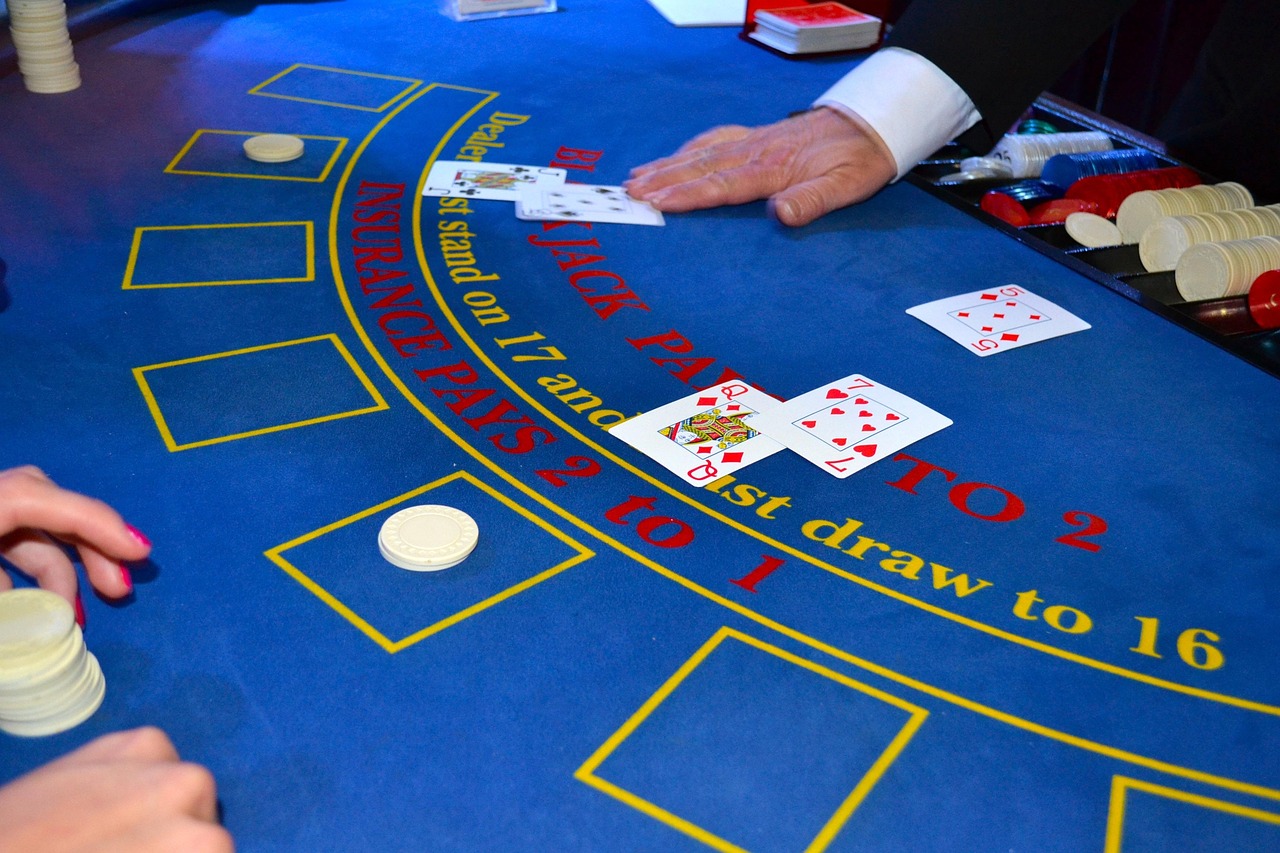
In blackjack, flat-betting the minimum is low volatility. Spreading bets and doubling aggressively is high volatility with a small house edge. In video poker, Jacks or Better pays frequent small hands, while Deuces Wild is a swingier ride with a bigger royal flush payout.
Poker is where volatility gets genuinely fascinating. Cash games are relatively low variance — your win rate grinds out over thousands of hands. Multi-table tournaments are extreme variance: you can play perfectly and bust in 20 minutes, or run deep and multiply your buy-in a hundredfold. Pros manage this by keeping a tournament bankroll of at least 50 to 100 buy-ins, precisely because the short-term results are so noisy.
The lesson is identical whether you're spinning reels or firing three-bets: pick a format whose variance you can survive financially and emotionally.
How to Test a Slot Before Committing
You don't need to learn the hard way. There are cheap, fast ways to assess a slot's behaviour before you feed it real money.
- Demo mode. Almost every regulated casino offers free play. Run 100 to 200 spins and watch the balance curve. Frequent small dips mean low volatility; long barren stretches with sudden spikes mean high.
- Check the paytable. Look at the max win multiplier and the frequency of the bonus. A 150,000x max win marketed loudly tells you the game is designed for lottery-style play.
- Read the RTP variant. Some slots ship with multiple RTP versions (e.g., 96.2%, 94.3%, 92.1%). Casinos choose which to deploy. The information is usually in the game's help menu.
- Set a spin limit. Decide in advance that you'll play 300 spins at a fixed stake, then stop. Volatility only hurts when it drags you past your planned spend.
Bankroll Management Is the Real Skill
Every frustrated story about a 'rigged' slot usually boils down to a mismatch between the game's volatility and the player's bankroll or patience. A high-volatility slot played with a $50 bankroll and 500 spins planned is almost mathematically doomed, no matter which game it is.
A balanced approach looks like this: allocate your session bankroll to at least 200 spins at your chosen bet size. If you're playing high volatility, push that to 300 or 400 spins, or lower your stake. If your bankroll can't support that, the game isn't a bad game — it's just the wrong game for your budget today.
That single change — matching spin count to bankroll instead of chasing bonuses — is the difference between players who enjoy slots for years and those who burn out in a weekend.
Volatility is not a flaw to be avoided. It's a dial you can turn to shape the kind of session you want. You want an hour of steady entertainment with occasional hits? Low volatility. You want the story of a lifetime and don't mind long dry spells? High volatility. You want a grind with a small edge? Cash-game poker. There's no universally best answer, only the right answer for you on any given night. Check the number before you spin, size your bankroll to match, and you'll stop feeling unlucky and start feeling in control.
LEAVE A COMMENT